Understanding the Mechanics of E-Bikes
As the popularity of e-bikes continues to rise, understanding their mechanics becomes increasingly essential for both enthusiasts and potential buyers. This article delves into the core components that make up these innovative bicycles, providing insights into how e-bike motors function and the significance of battery technology. Additionally, we will explore the critical role played by sensors and control systems in enhancing the riding experience. Maintenance tips will also be discussed to ensure the longevity and optimal performance of your e-bike. By examining the various types and features available, readers will gain a comprehensive understanding of what makes e-bikes a compelling choice in today’s transportation landscape.
The Core Components of E-Bikes
The core components of e-bikes are integral to their functionality and performance, encompassing a variety of specialized parts. Understanding these key elements is essential for appreciating how e-bikes operate and the roles they play in enhancing the cycling experience. This exploration leads us to examine both the key e-bike parts and their essential component functions.
Key E-Bike Parts
Key e-bike parts, including the battery, motor, and control system, significantly influence the overall performance and user experience of electric bicycles. The battery serves as the energy source, determining the range and duration of rides. The motor is crucial for providing assistance, impacting acceleration and hill-climbing capabilities. The control system, which includes the display and user interface, allows riders to manage power settings and monitor performance metrics. Collectively, these components define the efficiency and enjoyment of the e-biking experience.
Essential Component Functions
Essential component functions of e-bikes include the battery’s role in energy storage, the motor’s function in providing propulsion, and the controller’s responsibility in managing power distribution. The battery serves as the heart of the e-bike, supplying the necessary energy for operation and influencing the overall range and performance. The motor, typically located in the hub or mid-frame, translates electrical energy into mechanical movement, thus enhancing the rider’s effort. The controller acts as the intermediary, adjusting the power levels based on rider input and terrain conditions to optimize performance. Together, these components create a seamless and efficient riding experience.
How E-Bike Motors Function
E-bike motors operate by converting electrical energy from the battery into mechanical energy, which propels the bike forward. These motors typically come in three configurations: hub motors, mid-drive motors, and friction drive motors, each offering distinct advantages. Hub motors are integrated into the wheel hub and provide direct power to the wheel, ensuring a smooth ride. Mid-drive motors, located at the bike’s crankset, allow for better torque and weight distribution, enhancing overall performance on varied terrains. Friction drive motors utilize a roller that presses against the tire, offering an alternative that is often lighter and easier to install. The efficiency of an e-bike motor is influenced by factors such as motor design, power output, and the overall system integration. Ultimately, the choice of motor significantly impacts the riding experience, influencing speed, acceleration, and battery life.
Understanding Battery Technology
Battery technology plays a pivotal role in determining the performance, range, and longevity of electric bicycles. Lithium-ion batteries are the most commonly used type, offering a favorable balance of weight, capacity, and charging speed. The capacity of a battery, measured in ampere-hours (Ah), directly influences the distance an e-bike can travel on a single charge. Additionally, the voltage of the battery affects the power output and overall efficiency of the motor. Battery management systems (BMS) are essential for monitoring health and optimizing the performance of e-bike batteries. Factors such as temperature, charging cycles, and discharge rates can significantly impact battery lifespan. Advancements in battery technology continue to enhance the user experience, making electric bicycles more accessible and efficient.
The Role of Sensors and Control Systems
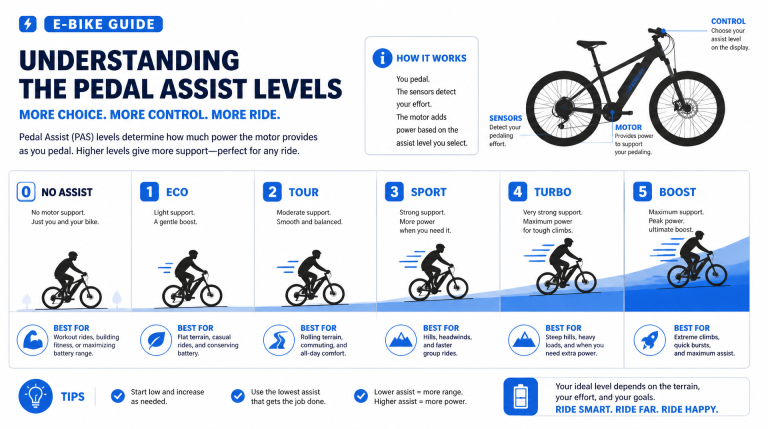
Sensors and control systems play a crucial role in enhancing the overall performance and user experience of electric bicycles. These systems monitor various parameters such as speed, cadence, and power output, ensuring optimal efficiency during rides. Advanced sensors can detect terrain changes, allowing the e-bike to adjust assistance levels accordingly for a smoother ride. Control systems process input from these sensors to deliver tailored responses, enhancing rider comfort and safety. The integration of smart technology enables features such as adaptive power delivery and real-time feedback on performance metrics. Additionally, effective control systems contribute to energy management, extending battery life and improving overall range. As technology evolves, the sophistication of sensors and control systems continues to advance, paving the way for more intuitive and responsive e-bike designs.
Maintenance Tips for E-Bike Longevity
Regular maintenance practices significantly enhance the longevity and performance of electric bicycles. Regularly checking and inflating tires to the recommended pressure can prevent unnecessary wear and improve ride quality. Ensuring that the battery is charged according to manufacturer specifications helps maintain its capacity and lifespan. Routine inspections of the brake systems ensure safe and reliable stopping power. Keeping the drivetrain clean and lubricated reduces friction and prolongs the life of components. Periodic checks of electrical connections can prevent malfunctions and ensure optimal performance. Finally, scheduling professional servicing at regular intervals can identify potential issues before they become significant problems.
Comparing E-Bike Types and Features
A comprehensive comparison of various e-bike types and their features reveals significant differences in performance, design, and user experience. Traditional e-bikes are often equipped with a rear or mid-drive motor, providing a balanced ride, while high-performance models may feature more powerful motors for enhanced speed and torque. Folding e-bikes are designed for portability, making them ideal for urban commuters with limited storage space. Mountain e-bikes, on the other hand, come with robust suspension systems and wider tires, catering to off-road enthusiasts seeking adventure. Cargo e-bikes prioritize load capacity, often featuring a reinforced frame to accommodate additional weight for transporting goods or passengers. Each type also varies in battery capacity, influencing range and charging times, which can be a critical aspect for long-distance users. Ultimately, the choice of an e-bike type should align with the rider’s specific needs and lifestyle preferences.
Frequently Asked Questions
What are the legal regulations regarding e-bike usage in different countries?
Legal regulations regarding e-bike usage vary significantly across different countries, reflecting diverse approaches to transportation and safety. In many European nations, e-bikes are classified into categories based on their power output and maximum speed, often mandating the use of helmets and requiring registration for more powerful models. In contrast, countries like the United States have a patchwork of state laws that can differ widely, with some states imposing no restrictions while others require licensing and insurance for higher-powered e-bikes. Furthermore, specific regulations may address where e-bikes can be operated, such as bike lanes versus roadways, influencing how they are integrated into existing traffic systems. In Asia, regulations can also differ, with some countries encouraging e-bike use through subsidies, while others impose strict limitations to manage safety concerns. Ultimately, understanding the legal landscape is crucial for e-bike manufacturers, users, and policymakers, as it shapes the adoption and integration of this technology into everyday transportation.
How do e-bikes impact the environment compared to traditional bicycles?
E-bikes offer a unique alternative to traditional bicycles, particularly in terms of their environmental impact. While both modes of transportation are generally more sustainable than motor vehicles, e-bikes present both benefits and drawbacks. On the one hand, e-bikes can encourage more people to cycle, reducing reliance on fossil fuel-powered vehicles and subsequently lowering greenhouse gas emissions. On the other hand, the production and disposal of lithium-ion batteries used in e-bikes can contribute to environmental challenges, including resource extraction and electronic waste. Furthermore, e-bikes typically have a higher carbon footprint during their lifecycle compared to traditional bicycles, primarily due to their manufacturing processes. Ultimately, the net environmental impact of e-bikes is influenced by usage patterns, energy sources for charging, and the lifecycle management of their components.
What safety gear is recommended for e-bike riders?
When considering safety gear for e-bike riders, it is crucial to prioritize protective equipment that can mitigate the risks associated with cycling at higher speeds. A properly fitted helmet is essential, as it provides vital head protection in the event of an accident. In addition to helmets, wearing reflective clothing can enhance visibility, particularly during low-light conditions, thereby reducing the likelihood of collisions. Gloves can also be beneficial, offering grip and protection for the hands, which are particularly vulnerable in a fall. Furthermore, knee and elbow pads can provide additional safety, especially for riders who may be more prone to falls due to inexperience or varying terrain. Finally, utilizing lights and bells can improve communication with other road users, contributing to a safer riding environment.
If you’re keen to deepen your knowledge about e-bikes, I highly recommend visiting the page on E-Bike Battery Overheating. Understanding the risks associated with e-bike batteries is crucial for safe riding and maintenance. This resource will provide you with valuable insights that can enhance your overall e-bike experience.