Rent-A-Center Electric Bikes: Complete Guide to Renting, Models, and Pricing
You can rent an electric bike from Rent-A-Center with weekly or monthly payments, no credit check required, and the option to buy it later. Models vary by location but often include e-bikes from brands like Kent, Schwinn, and Mongoose. Pricing typically starts around $15–30 per week depending on the model, your local store, and any current promotions. This guide walks you through how the rental process works, what models you’ll find, what you’ll pay, and when renting makes sense over buying – plus what to do if the bike has a problem.
How Rent-A-Center Electric Bike Rentals Work
Rent-A-Center uses a rent-to-own model. You take home the e-bike immediately, then pay weekly or monthly for a set term (commonly 12 to 24 months). At any point during the agreement you can:
- Return the bike with no penalty (check your local store’s return policy on e-bikes; most allow this).
- Purchase the bike early by paying off the remaining balance.
- Upgrade or swap to a different model (subject to availability and account standing).
No credit check is required. You only need a valid ID, proof of income, and a bank account or debit card for automatic payments. Most stores offer same-day or next-day delivery within their service area for a small fee.
Electric Bike Models You Can Rent
Rent-A-Center does not stock high-end e-bikes, but the models available are functional for casual commuting, errands, and neighborhood cruising. Below are three common models you’ll find in many stores. Availability changes by location, so always call ahead or check the website.
| Model | Type | Key Specs | Typical Weekly Price |
|---|---|---|---|
| Kent Electric Cruiser | Step-through, city/commuter | 350W motor, 20 mph max, 36V battery, 30–50 mile range | $18–$25 |
| Schwinn Ridgewood | Hybrid, light trail | 250W rear hub, pedal assist, 26″ wheels, ~20 mile range | $20–$28 |
| Mongoose Mountain E-Bike | Fat tire, off-road style | 500W hub motor, 20 mph, 4″ wide tires, 30+ mile range | $22–$30 |
Kent Electric Cruiser – A step‑through frame makes it easy to mount. The throttle and three pedal‑assist levels work well for flat pavement. Battery life is decent for a rental bike, but expect lower range in cold weather.
Schwinn Ridgewood – Lighter than the Mongoose, with a traditional diamond frame. The pedal assist feels natural for paved bike paths. Not suited for steep hills or heavy cargo.
Mongoose Mountain E-Bike – The fat tires offer stability on gravel, sand, or light snow. It’s heavier (around 60 lb) so plan for extra storage space. The 500W motor gives better hill‑climbing than the other two, but the battery is harder to remove for charging.
BLOCKQUOTE_0
Pricing and Payment Details
The weekly payment covers the e‑bike itself plus a basic “security and handling” fee. Optional add‑ons increase the total:
- Delivery & setup fee – $20–$50 one‑time (sometimes waived for first rental)
- Damage waiver (like insurance) – $3–$7 per week, covers accidental damage up to a limit
- Early purchase option – You pay the remaining balance; the total cost to buy via rent‑to‑own is typically 1.3–1.6× the retail price.
Example with a Kent Electric Cruiser (retail ~$500):
- Weekly payment: $22
- 18‑month term: $22 × 78 weeks = $1,716
- Purchase after 3 months: $22 × 13 weeks + remaining balance (~$350) = $636
Renting for the full term is almost always more expensive than buying outright. The value comes from avoiding a large upfront cost and the ability to return the bike if you don’t like it.
Pros and Cons of Renting an Electric Bike from Rent-A-Center
Pros
- No large upfront investment (no credit card swipe for $500+)
- No credit check, so even with limited credit history you can rent
- Try before you commit – ride for a few weeks and return if it doesn’t fit your commute
- Flexible returns and easy swaps to a different model
- Basic maintenance (brakes, tires, chain) is usually included – ask your store for details
Cons
- Higher total cost compared to buying retail; you can end up paying 30–60% more
- Limited selection – you won’t find premium brands like Bosch or Specialized
- Batteries are typically hard‑mounted (not removable), making charging less convenient
- Weight and power are lower than higher‑end e‑bikes; steep hill performance may be disappointing
- If you damage the bike, repair costs (or the damage waiver) can add up
Step-by-Step Rental Process
Follow these steps to get an e‑bike from Rent‑A‑Center, with specific checks before you leave the store.
Before You Go: What to Prepare
- Valid photo ID – driver’s license or state ID.
- Proof of income – last pay stub, bank statement, or benefit letter.
- Bank account or debit card – used for automatic weekly or monthly payments.
- Phone – call your local store first to confirm they have e‑bikes in stock and ask if any promotions are running (first week free, no delivery fee, etc.).
At the Store
1. Ask to see the e‑bike in person – don’t rely on online photos alone. Check for scratches, dents, or worn tires.
2. Choose your payment plan – weekly vs. monthly, and decide whether to add the damage waiver. The damage waiver is worth it if you plan to ride on rough roads or in traffic; it typically covers accidental damage (e.g., a dropped bike) but not theft or intentional abuse. Read the waiver terms carefully.
3. Set up automatic payments – the store will connect your bank or debit card for the agreed schedule.
Before You Accept Delivery or Ride Home
Verification check (do this in the parking lot):
- Turn the battery on – the indicator should show at least 3 of 4 lights (ask for a full charge if not).
- Twist the throttle (if model has one) – the motor should engage smoothly without grinding noises.
- Cycle through pedal‑assist levels – each level should add noticeable power.
- Squeeze both brake levers – the brakes should stop the wheel firmly without squealing.
- Check tire pressure – press the tires; they should feel firm. Ask the staff to inflate if soft.
- Take a short test ride (at least 50 feet) – shift weight side to side to feel for wobbles in the headset or forks.
If any of these checks fail, ask the store to swap the bike for another unit or to fix the issue before you leave. Do not accept a bike with a loose handlebar, erratic motor, or brake that rubs constantly.
After You Get the Bike: Common Issues and When to Stop Riding
Even with a good inspection, problems can appear during the first week. Here’s what to watch for and how to handle it.
Failure Mode: Battery Not Charging
Symptom: You plug the charger in for 4–6 hours, the charger light stays green (or doesn’t turn red), and the bike has little to no power on the next ride.
Likely cause: The charger is defective, the battery connector is loose, or the battery management system has shut down due to over-discharge.
What to do: Try unplugging and reconnecting the charger at both ends (wall outlet and battery port). If the charger still shows no activity, stop charging immediately – a faulty charger can overheat. Contact your Rent-A-Center store the same day. They should exchange the charger or the bike at no cost. Do not attempt to open the battery or charger yourself.
Stop/Escalate Threshold
Ride immediately to the store or call for pickup if you notice any of these:
- Brake failure – lever pulls to the handlebar with no stopping power.
- Motor cutout while riding – the bike suddenly loses power for more than a second at a time.
- Strange noises from the hub or crank – grinding, clicking, or rhythmic squeaking that doesn’t go away.
- Battery swelling or excessive heat – the battery case feels warm to the touch while charging (warm is normal, hot is not) or looks deformed.
- Frame crack – visible crack in the weld or tube.
In any of these cases, stop riding, lock the bike, and call your local Rent-A-Center immediately. They will arrange for a replacement or repair. Do not attempt to fix these problems yourself – you risk voiding the damage waiver or incurring repair fees.
Damage Waiver Claims: What Actually Happens
If you have the damage waiver and the bike gets scratched, dented, or has a minor part break (e.g., a pedal snaps off), call the store. They’ll typically ask you to bring the bike in for a free repair or replacement part. However, the waiver does not cover theft, vandalism, or damage from racing, jumps, or off‑road use beyond light gravel trails. If the bike is stolen and you don’t have a separate theft waiver (offered at some stores), you are responsible for the full remaining balance.
Tips for Getting the Best Deal
- Look for promotional offers – Many Rent‑A‑Center locations run “get one month free” or “no delivery fee this week” deals. Ask when you call.
- Compare the total cost – For a short‑term need (a month of commuting while your car is in the shop, or a summer trial), renting is fine. For year‑round use, buying a new or used e‑bike from a bike shop is usually cheaper.
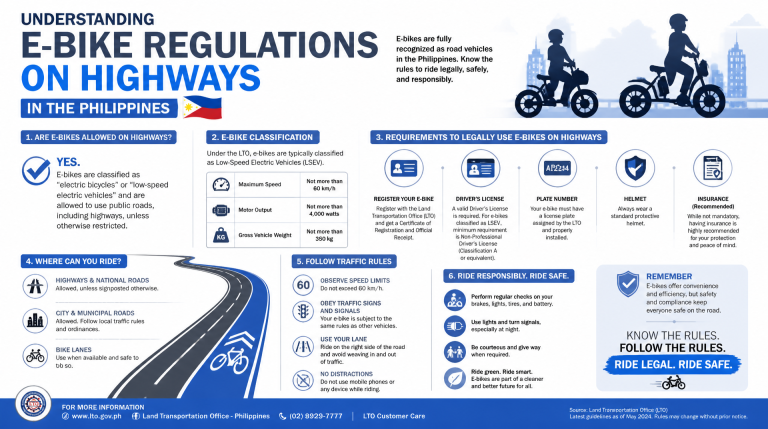
- Check your local e‑bike laws – Class 1 and Class 2 e‑bikes (pedal assist with a max of 20 mph) are street‑legal in most states. The models above fall into these classes, but confirm with your city or county rules.
- Battery care – If you can remove the battery, store it indoors in mild temperatures (50–80°F) to extend its life. If the battery is non‑removable, park the bike under cover when not in use. Avoid leaving the battery below 20% charge for more than a day – it can damage the cells and reduce range.
Renting an e‑bike from Rent‑A‑Center gives you a low‑commitment way to test electric riding without a big upfront cost. Use the verification checklist above to make sure you start with a solid bike, and know exactly what to do if something goes wrong.