
Understanding Class 1 Electric Bikes
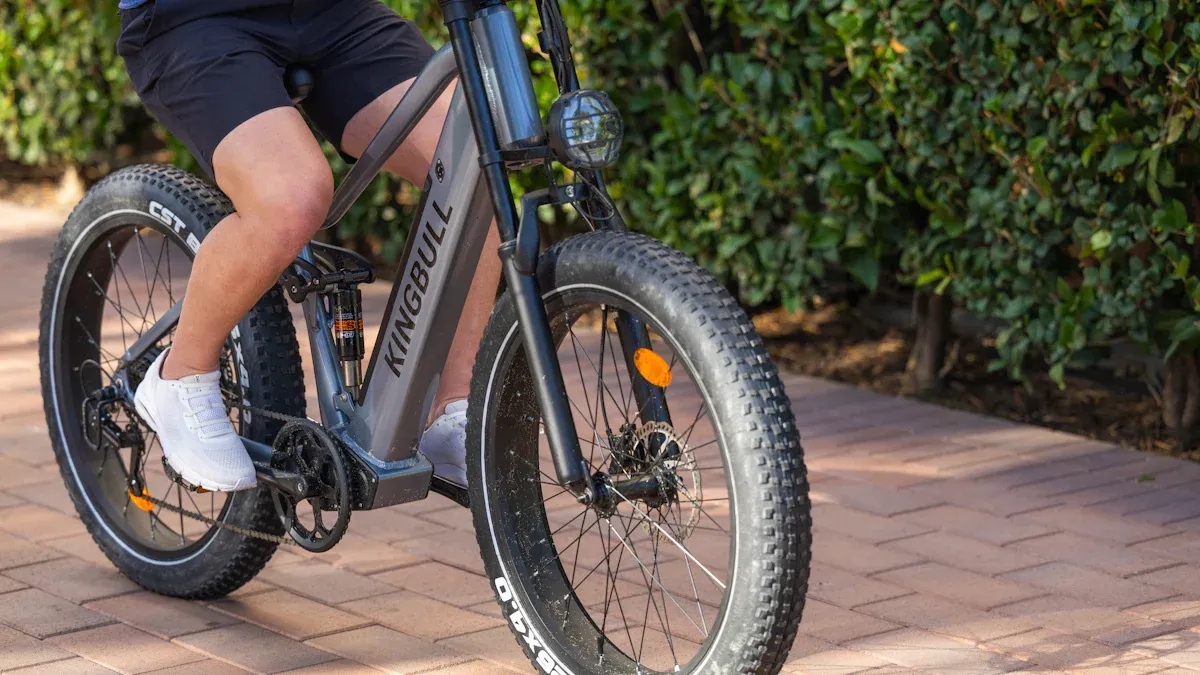
A Class 1 electric bike provides pedal-assist power up to 20 mph, featuring a motor that does not exceed 750 watts. Many individuals opt for this type of electric bicycle due to its natural ride feel and user-friendly design. In the United States, 36 states utilize the three-class system, which contributes to the widespread acceptance of Class 1 electric bikes.
Key Takeaways
- Class 1 electric bikes provide pedal-assist power up to 20 mph, making rides smoother and more enjoyable for all riders.
- These bikes do not require a driver’s license in most states, allowing easy access for riders of various ages.
- Riders can enjoy a natural cycling experience while accessing many public roads and bike paths, promoting health and reducing traffic.
Class 1 Electric Bikes Overview
Pedal-Assist Feature
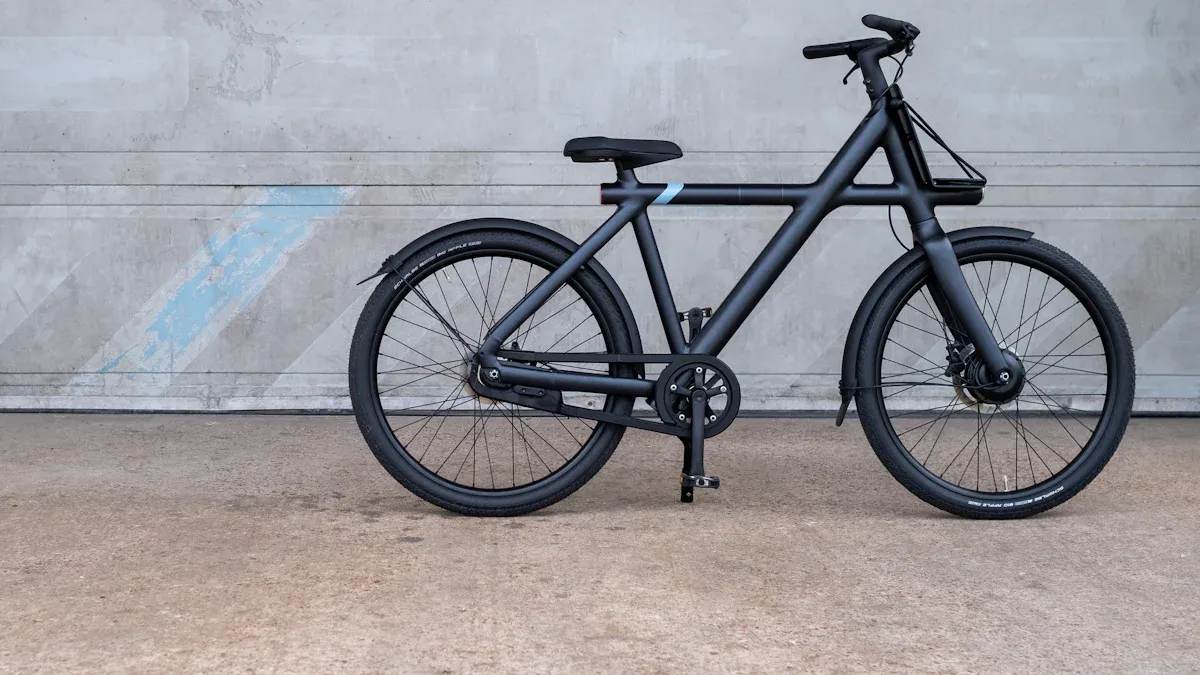
Class 1 electric bikes use a pedal-assist system. This means the motor only helps you when you pedal. You do not have a throttle to control the motor directly. The bike senses your pedaling and gives you extra power, making your ride smoother and easier. The pedal-assist feature creates a natural cycling experience because you stay active and engaged.
Here are the main features of pedal-assist on class 1 electric bikes:
- The motor provides assistance only when you pedal.
- You control the speed and power by how hard you pedal.
- There is no throttle, so you cannot use the motor without pedaling.
- The system uses sensors to match the motor’s power to your effort.
Tip: Pedal-assist makes riding more enjoyable for beginners and older riders. It also helps you climb hills and ride longer distances with less effort.
You can see how pedal-assist compares to throttle-based systems in the table below:
| Feature | Pedal-Assist (Class 1) | Throttle-Based Systems |
|---|---|---|
| Power Delivery | Proportional to pedaling input | Direct from motor without pedaling |
| Riding Experience | Maintains a natural cycling feel | Can lead to a different riding experience |
| Efficiency | More efficient, divides work between rider and motor | Can lead to faster battery drain |
| Speed Control | Gradual acceleration based on pedaling | Immediate power without pedaling |
Speed Limit and Motor Power
Class 1 electric bikes have a maximum assisted speed of 20 miles per hour. The motor stops helping you once you reach this speed. This rule keeps your ride safe and helps meet e-bike regulations in many places.
Key points about speed and power:
- The motor power is limited to 750 watts (about one horsepower).
- The 20 mph speed limit applies only when the motor is assisting.
- All classes of e-bikes, including class 1, follow the same power limit.
- These limits help define e-bike classification and make it easier for you to understand the rules.
| Class | Description | Maximum Speed |
|---|---|---|
| Class 1 | Pedal-assist only | 20 mph (32 km/h) |
| Class 2 | Equipped with a throttle | 20 mph (32 km/h) |
| Class 3 | Pedal-assist only, higher speed | 28 mph (45 km/h) |
Note: The speed and power limits allow class 1 electric bikes to be used on most bike paths and trails, just like a regular bicycle.
Natural Cycling Feel
Class 1 electric bikes give you a ride that feels like a traditional bicycle. The pedal-assist system keeps you involved in the ride, so you get exercise and stay active. Many riders say it feels like having a steady tailwind, making hills and long rides much easier.
What makes the cycling feel natural:
- The motor only works when you pedal, so your effort matters.
- There is no throttle, so you stay in control of your speed.
- The assistance feels smooth and balanced, not jerky or sudden.
- You can ride on bike paths and trails where other e-bikes might not be allowed.
Riders often mention these benefits:
- Enjoyment of a natural pedaling experience.
- Legal access to more places, such as bike paths and shared trails.
- Affordable options that make electric bicycles accessible to more people.
Many people choose class 1 electric bikes because they want a simple, enjoyable, and active way to ride. You get the benefits of an e-bike without losing the feeling of a regular bike.
E-Bike Legal Status and Riding Locations
Age and License Requirements
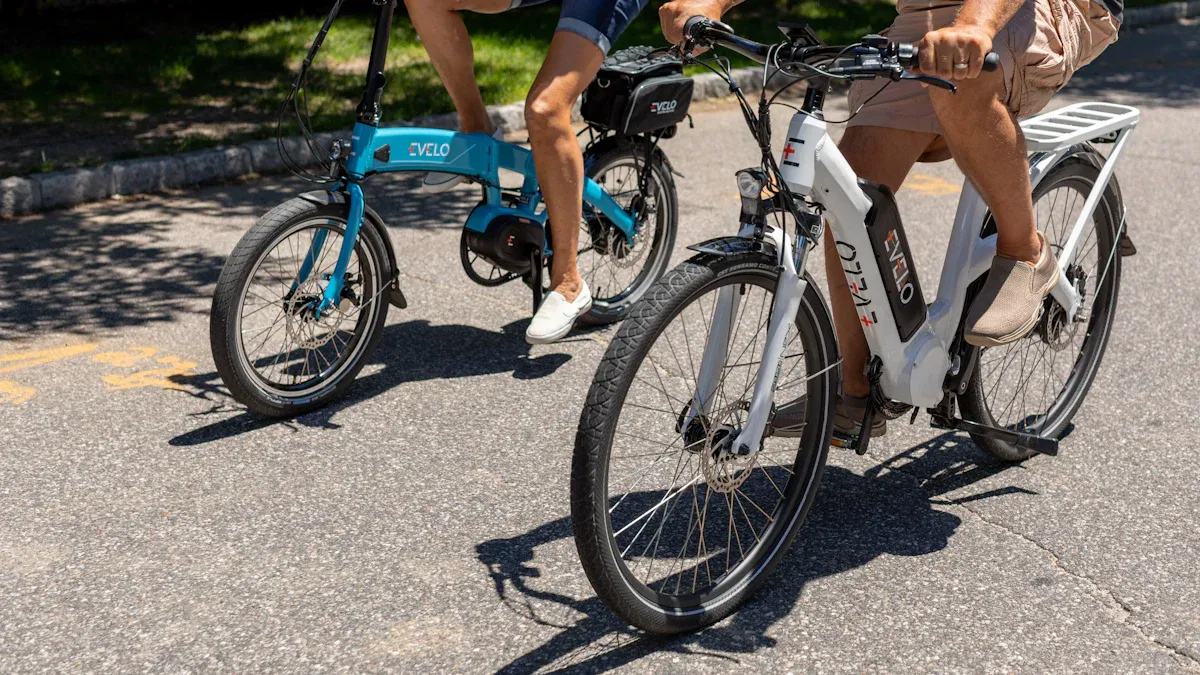
When you ride class 1 electric bikes, you usually do not need a driver’s license. Most states in the United States treat these bikes like regular bicycles. You can see the general requirements in the table below:
| Requirement Type | Class 1 Electric Bike |
|---|---|
| License Requirement | No license required in most states |
| Helmet Requirement | Not required in most states |
| Classification | Pedal-assist up to 20 mph |
| Treatment | Treated like traditional bicycles |
| State-Specific Rules | Varies by state; check local laws |
The minimum age for riding an e-bike depends on where you live. In the United States, some states set the minimum age at 16, while others have no minimum. Other countries have their own rules. The table below shows how age and licensing requirements differ:
| Region | Minimum Age | Licensing Requirements |
|---|---|---|
| USA | Varies (no minimum to 16) | Varies by state |
| Canada | 12-16 years | Varies by province |
| UK | 14 years | No license required |
| EU | Generally 12 years | No license required |
| Australia/New Zealand | Similar age requirements | Varies by region |
🚲 Tip: Always check your local e-bike regulations before you ride. Some places may have special rules for helmets or age.
Safety is important when you use an electric bicycle. Even if your state does not require a helmet, you should wear one for protection. Here are some safety tips for all e-bike riders:
- Know your local laws and e-bike classification.
- Wear a helmet every time you ride.
- Stay in the right lane and use bike lanes when possible.
- Respect speed limits for your class 1 e-bike.
- Use hand signals to show your turns and stops.
- Keep your e-bike in good condition.
- Follow battery safety instructions.
- Yield to pedestrians on shared paths.
- Watch for cars and other bikes at intersections.
- Check if you need insurance in your area.
Where You Can Ride
Class 1 electric bikes give you more freedom than other types of e-bikes. You can ride them on many public roads, bike paths, and trails. Most places allow class 1 e-bikes wherever traditional bicycles can go. The table below shows where you can ride:
| Type of Infrastructure | Allowed for Class 1 E-bikes |
|---|---|
| Park roads | Yes |
| Paved or hardened trails | Yes |
| Areas designated for off-road motor vehicle use | Yes |
| Administrative roads where traditional bicycles are allowed | Yes |
| Wilderness areas | No |
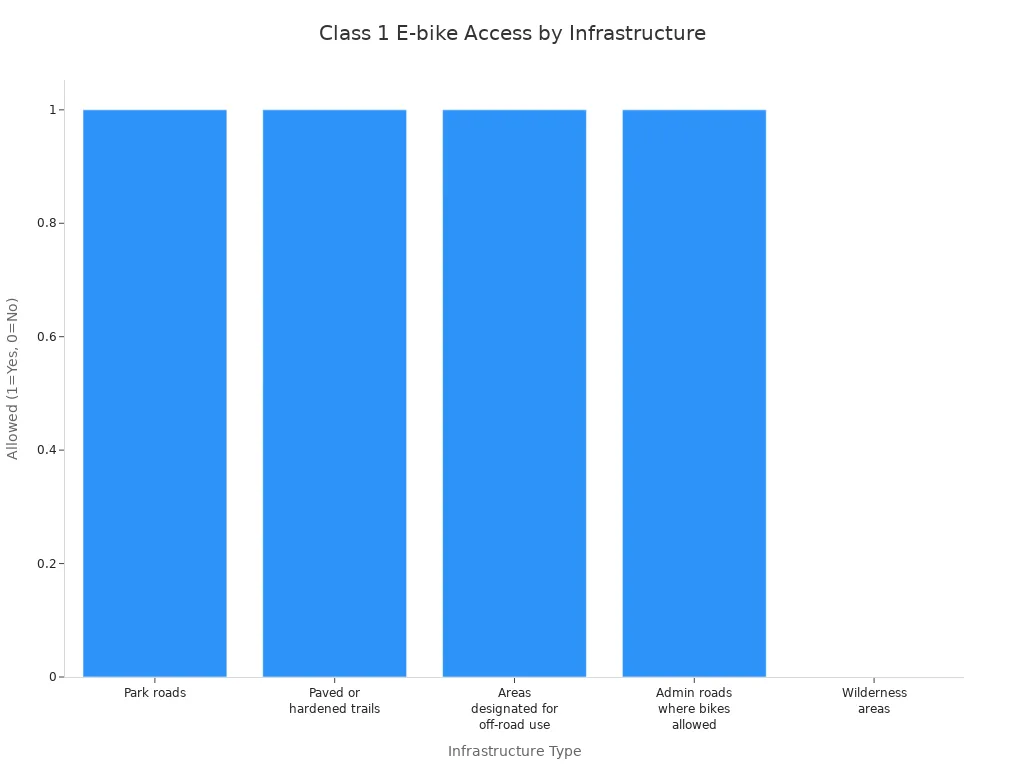
You can use your class 1 e-bike on most improved-surface trails and some natural-surface trails. National parks often allow class 1 electric bikes, but you cannot ride in wilderness areas. Both traditional bikes and e-bikes are not allowed in these protected zones. The table below explains the restrictions:
| Area Type | Class 1 E-bikes Allowed | Restrictions |
|---|---|---|
| National Parks | Yes | Prohibited in wilderness areas |
| Natural-surface Trails | Yes | Subject to local regulations |
| Wilderness Areas | No | Both traditional bikes and e-bikes prohibited |
🛤️ Note: Always look for signs and check local rules before riding your ebike on trails or in parks.
Comparison to Other Ebike Classes
Class 1 electric bikes have the widest access to public roads, bike paths, and trails. You can see how access compares to other e-bike classes in the table below:
| E-Bike Class | Access Level | Restrictions |
|---|---|---|
| Class 1 | Widely accepted on bike paths and trails | None, similar to regular bikes |
| Class 2 | Similar to Class 1, but with some restrictions | Restricted in certain parks and trails due to throttle |
| Class 3 | Primarily for road use, limited access to paths | Restricted from shared-use paths and natural trails due to speed |
Class 1 e-bikes only provide pedal-assist up to 20 mph. Class 2 e-bikes have a throttle and can also reach 20 mph, but some parks and trails do not allow them because of the throttle. Class 3 e-bikes go up to 28 mph with pedal-assist, so you can only use them on roads and not on most bike paths or trails.
Here is a quick summary of the main differences:
| Class | Description |
|---|---|
| Class 1 | Provides assistance only when the rider is pedaling and stops at 20 mph |
| Class 2 | Operates with pedal-assist or throttle, stopping assistance at 20 mph |
| Class 3 | Provides assistance only when pedaling, stopping at 28 mph |
Insurance is another difference. You do not need special insurance for class 1 electric bikes or class 2 e-bikes. Some places may require insurance for class 3 e-bikes, especially because they go faster. Traditional bicycles do not need insurance, but mopeds almost always do.
| Class of Bike | Insurance Requirement |
|---|---|
| Class 1 E-Bikes | Generally no specific insurance required |
| Class 2 E-Bikes | Generally no specific insurance required |
| Class 3 E-Bikes | May require insurance; highly recommended |
| Traditional Bicycles | No mandatory insurance required |
| Mopeds | Typically require liability insurance |
💡 Tip: If you want the most access and the fewest restrictions, class 1 electric bikes are the best choice. They fit most e-bike regulations and let you ride in more places.
You gain many benefits with a class 1 electric bike:
- Improved health and mobility
- More trips and longer rides
- Safer riding compared to motorcycles
- Zero emissions and less traffic
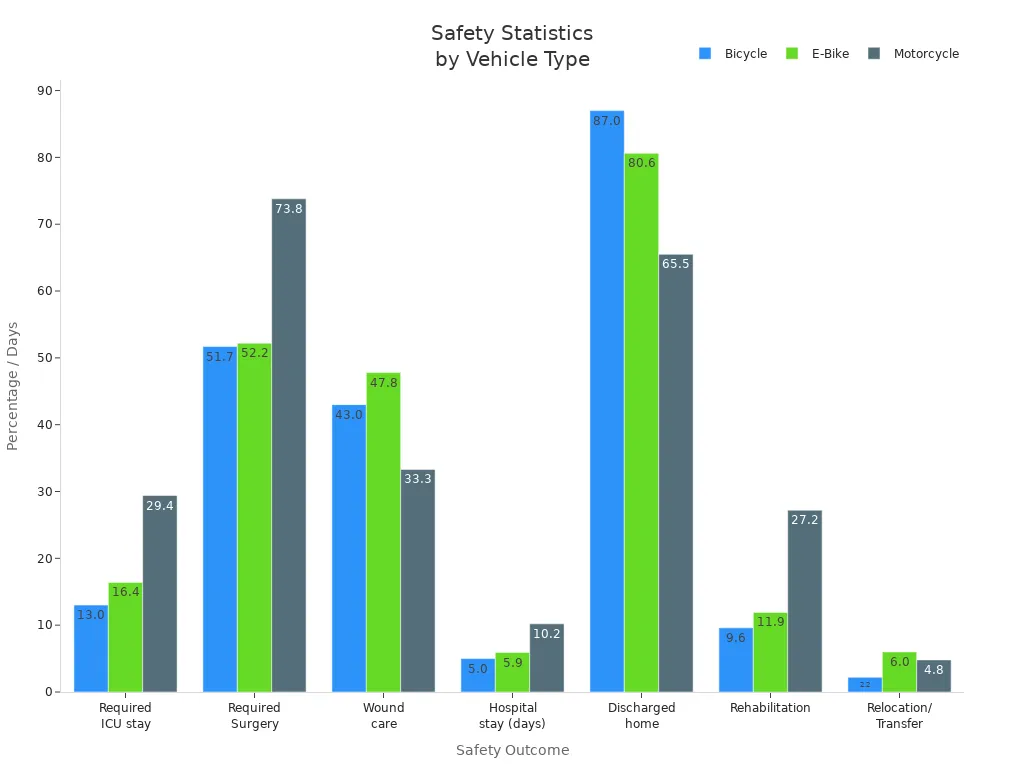
Check local rules before you ride.
FAQ
What makes a class 1 e-bike different from other types?
You get pedal-assist only with a class 1 e-bike. The motor helps when you pedal. This e-bike stops assisting at 20 mph. E-bike classification helps you know the rules.
What should you check before riding your ebike on a trail?
You should check local rules for e-bike use. Some trails allow class 1 e-bikes, but others do not. Always look for signs and ask park staff.
What are the main benefits of choosing a class 1 e-bike?
You enjoy a natural ride with a class 1 e-bike. You can ride on most bike paths. This ebike gives you exercise and helps you go farther.
