South Korea Electric Motorcycle Regulations: Road Legal Rules, License, and Registration
Electric motorcycles are road legal in South Korea if they meet specific technical criteria and comply with national regulations regarding speed, power, licensing, and registration. Compliance hinges on classifying the electric motorcycle correctly, as this dictates the necessary permits and operational rules. Vehicles that fall under specific speed and power thresholds are considered low-speed e-bikes and have fewer requirements, while those exceeding these limits are treated as high-speed motorcycles.
If you’re searching for “south korea electric motorcycle road legal requirements regulations”, this page gives the short answer first.
south korea electric motorcycle road legal requirements regulations: South Korea Electric Motorcycle Road Legal Requirements: Classification and Thresholds
The legality of an electric motorcycle on South Korean roads is determined by its classification, which is based on its maximum speed and continuous rated motor power. This classification dictates whether it falls under simpler e-bike rules or the more comprehensive regulations for high-speed motorcycles.
Low-Speed Electric Motorcycles (E-bikes)
Vehicles categorized as low-speed electric motorcycles, often colloquially called e-bikes, are designed for lighter use and have specific limitations to ensure they remain in a less regulated category.
- Maximum Speed: These e-bikes are restricted to a top speed of 25 km/h (approximately 15.5 mph). This speed limit is a key differentiator, ensuring they do not pose the same risks as faster vehicles.
- Motor Power: The continuous rated motor power must not exceed 500W. This power output is comparable to a strong electric bicycle, further defining their role as low-speed personal transport.
Information Gain: E-bikes meeting these criteria generally do not require a special driver’s license for operation, nor do they mandate formal registration with transportation authorities. This makes them an accessible option for urban commuting and short-distance travel, similar to how bicycles are treated but with powered assistance.
High-Speed Electric Motorcycles
Electric motorcycles that surpass the low-speed thresholds are classified as high-speed motorcycles. These vehicles are subject to more stringent regulations, aligning them with the requirements for gasoline-powered motorcycles. This classification acknowledges their higher performance capabilities and the increased need for rider qualification and vehicle oversight.
south korea electric motorcycle road legal requirements regulations: South Korea Electric Motorcycle Road Legal Requirements: Licensing and Registration
Operating a high-speed electric motorcycle in South Korea necessitates adherence to standard motorcycle licensing and registration protocols, similar to their combustion engine counterparts. This ensures that riders have demonstrated the necessary skills and that the vehicles are officially documented for public road use.
Driver’s License Requirements
- Class 2 License or Higher: Riders must possess a valid Class 2 (or higher) motorcycle driver’s license to operate a high-speed electric motorcycle. This license signifies that the rider has passed a theoretical and practical examination demonstrating competence in handling motorcycles, including acceleration, braking, and maneuvering at higher speeds. Without this, riding is illegal.
Vehicle Registration Process
- Official Registration: Any electric motorcycle classified as high-speed must be officially registered with the relevant local transportation authority. This process typically involves submitting vehicle identification details, proof of ownership, and passing a safety inspection.
- License Plates: Upon successful registration, the vehicle will be issued license plates, which must be clearly displayed on the motorcycle. This step is crucial for identification by law enforcement and for tracking the vehicle’s legal status.
Information Gain: The registration process for high-speed electric motorcycles is detailed in the Road Traffic Act of South Korea, which outlines the administrative procedures and documentation required. For instance, a Certificate of Authenticity from the manufacturer or an authorized importer is often needed during the registration application.
Insurance, Road Use, and Helmet Rules for Electric Motorcycles
Beyond licensing and registration, several other rules ensure the safe and legal operation of electric motorcycles on South Korean roads, regardless of their speed classification. These regulations are in place to protect riders, pedestrians, and other road users.
Mandatory Insurance
- Third-Party Liability: All registered high-speed electric motorcycles are required to carry mandatory third-party liability insurance. This insurance policy is critical for covering damages or injuries caused to other parties in the event of an accident. Without proof of this insurance, the vehicle cannot be legally registered or operated.
Road Use Regulations
- Traffic Laws: Electric motorcycles, like all motor vehicles, must comply with South Korea’s general traffic laws. This includes adhering to speed limits, traffic signals, lane usage, and yielding to pedestrians and other vehicles.
- Designated Areas: While not explicitly restricted in most urban areas, riders should be aware of any local ordinances that might designate specific areas where certain types of vehicles are prohibited.
Helmet Requirement
- Mandatory Safety Gear: Riders of all electric motorcycles, regardless of whether they are classified as low-speed or high-speed, must wear an approved safety helmet at all times while operating the vehicle. Helmets are crucial for mitigating head injuries in case of a fall or collision. The helmet must meet national safety standards, such as those set by the Korean Industrial Standards (KS).
Information Gain: The enforcement of helmet laws is strict, and failure to wear a helmet can result in on-the-spot fines, as detailed in Article 49 of the Road Traffic Act. This emphasis on rider safety is a cornerstone of South Korea’s approach to two-wheeled vehicle regulations.
What Buyers Should Check Before Assuming a Bike Is Road Legal
One of the biggest practical mistakes is assuming that a seller’s label such as “electric bike,” “electric scooter,” or “road legal” automatically matches South Korea’s real compliance standards. In practice, the legal outcome depends on the bike’s actual speed, motor output, equipment, and registration status, not just how it is marketed.
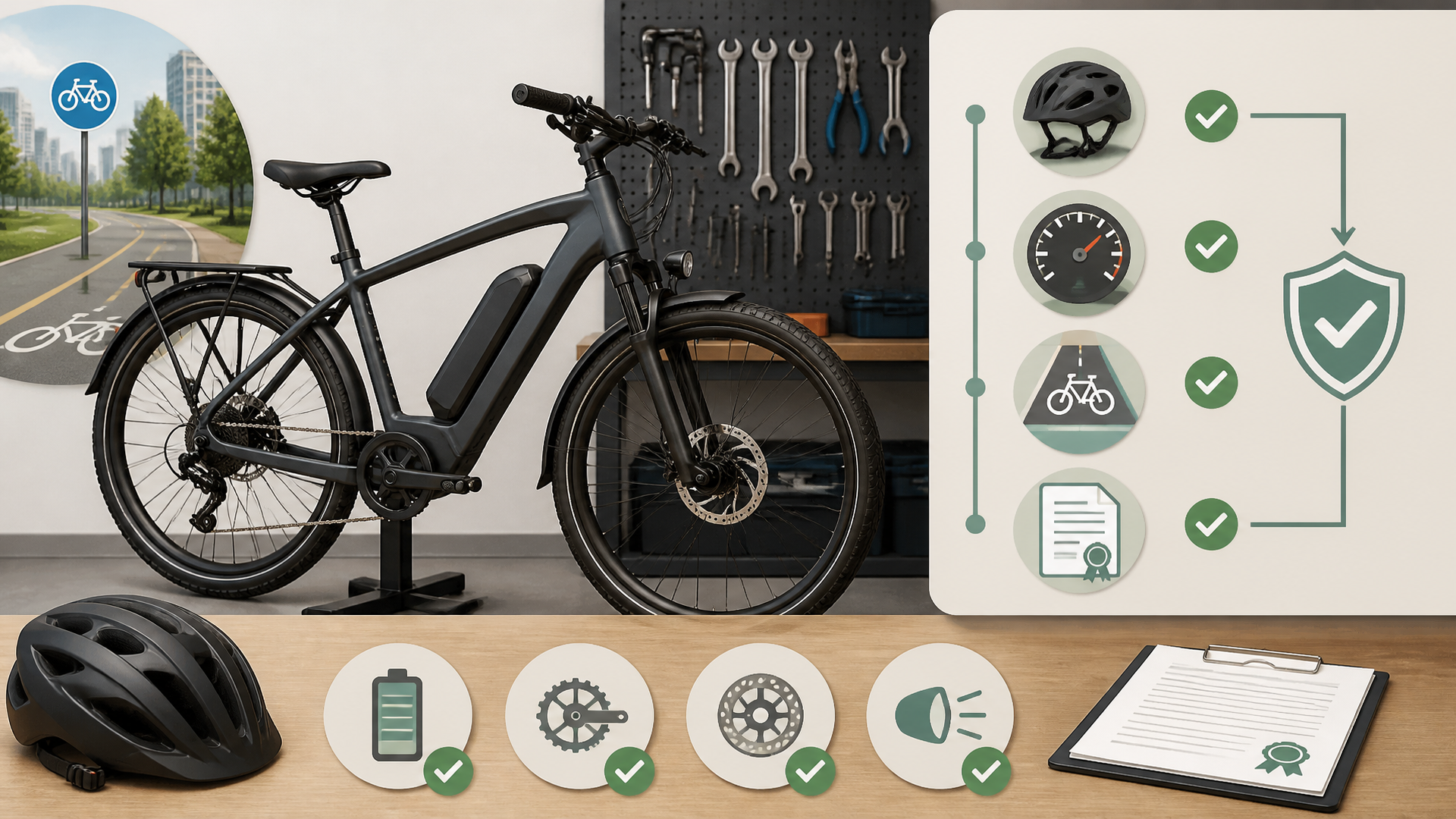
Before buying or importing an electric motorcycle for use in South Korea, check:
- continuous rated motor power, not just peak power in a sales listing
- top assisted speed, especially whether it stays within low-speed thresholds
- vehicle paperwork, including certificates, conformity documents, or importer records
- whether the bike is being sold as a low-speed e-bike or a motorcycle-equivalent vehicle
- whether the seller can explain the registration path clearly
If those details are vague or inconsistent, treat the bike as an unresolved compliance risk until the classification is verified.
Enforcement and Staying Updated on Regulations
Local police and transportation authorities are responsible for enforcing electric motorcycle regulations across South Korea. It is essential for riders to stay informed about any potential updates or changes to these laws to ensure continued compliance and avoid penalties.
Verification of Current Requirements
- Official Sources: Regulations can evolve as technology advances and traffic patterns change. Riders should always verify current requirements with official government sources, such as the Ministry of Land, Infrastructure and Transport (MOLIT) or local transportation offices. Consulting the official Korean Road Traffic Authority website is recommended.
- Manufacturer Guidance: Manufacturers and authorized dealers are also valuable resources for understanding the compliance status of specific electric motorcycle models sold in South Korea.
Penalties for Non-Compliance
- Fines and Impoundment: Non-compliance with these regulations can result in significant penalties. These may include fines, which vary based on the offense, and the potential impoundment of the vehicle until the owner rectifies the violation and pays associated fees. For instance, operating a high-speed electric motorcycle without the proper license can lead to severe legal consequences.
Information Gain: The penalties are designed to deter unsafe riding practices and ensure that all vehicles on the road meet safety and legal standards, mirroring the approach taken for conventional motorcycles. Staying informed is not just about avoiding fines but also about ensuring personal safety and contributing to road safety for everyone.