
Pedelec — Complete Guide
Compare Pedelecs and E-Bikes in this detailed guide. Understand their features, technical differences, legal regulations, and user experiences to make an informed choice.
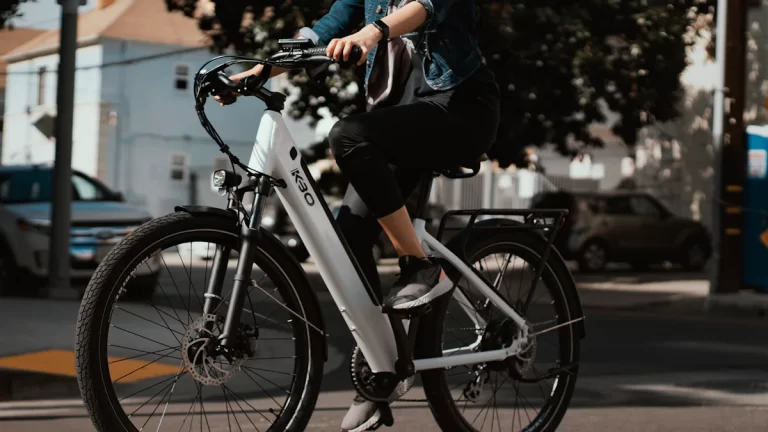
Compare Pedelecs and E-Bikes in this detailed guide. Understand their features, technical differences, legal regulations, and user experiences to make an informed choice.
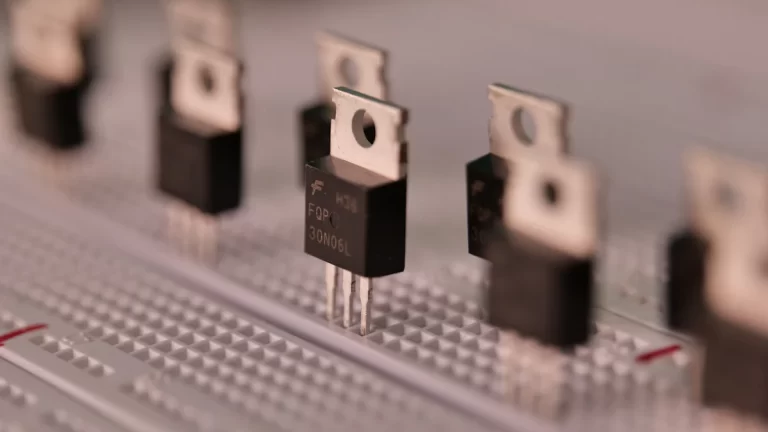
Understand the role of MOSFETs in electric bikes, their impact on performance, and tips for maintenance. Enhance your e-bike’s efficiency with our insights.

A complete guide to electric tricycles: types, benefits, choosing tips, maintenance, and safety advice. Make informed decisions and enjoy the ride.

The electric bike business boils down to three distinct models: selling affordable bikes at high volume online, disrupting price expectations with a single focused product, or competing on premium performance through a dealer network. The brands that succeed pick one lane and build their entire operation around it. Here is how three real companies made…

UL 2849 is the safety standard that tests an e-bike’s entire electrical system — battery, charger, motor controller, and wiring — as a single unit. It stops fire, electric shock, and thermal runaway before they start. If you’re buying or selling e-bikes, UL 2849 certification is quickly becoming mandatory for major retailers and city laws….
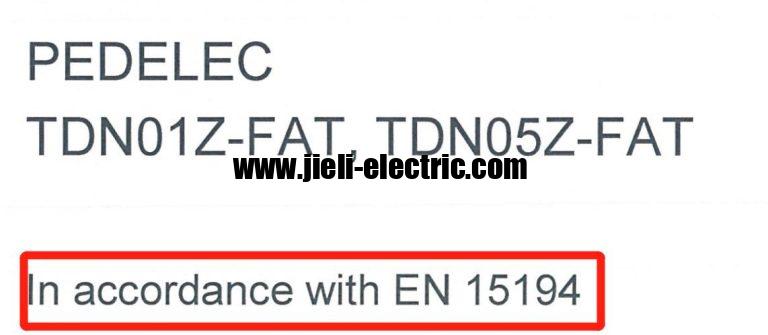
EN15194 is the European safety standard for electrically power assisted cycles (EPACs). It requires that a certified e‑bike’s motor stays below 250 W continuous power, cuts assistance at 15.5 mph, and passes electrical, mechanical, and electromagnetic tests. If you’re shopping for a reliable e‑bike, this certification tells you the battery won’t catch fire under normal use, the…
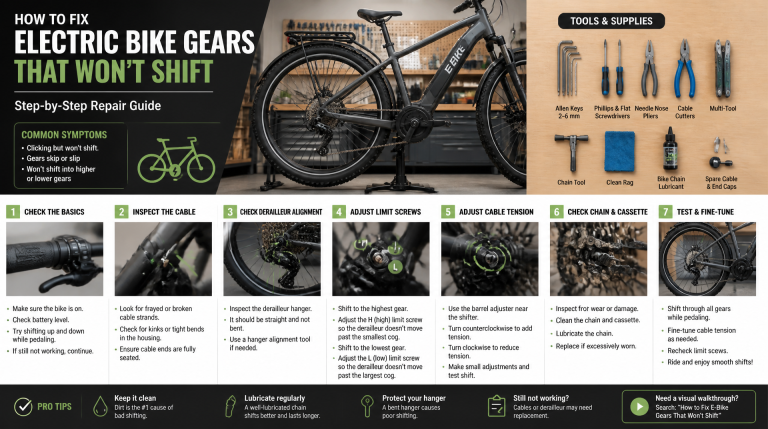
Safety Warning: Disconnect the battery before working on your e-bike to prevent accidental motor engagement. Secure the bike on a stable stand or flip it upside down (protecting the display and controls). Keep fingers and loose clothing away from the chainring, cassette, and derailleur pulleys while shifting. Most shifting problems on an e-bike come down…
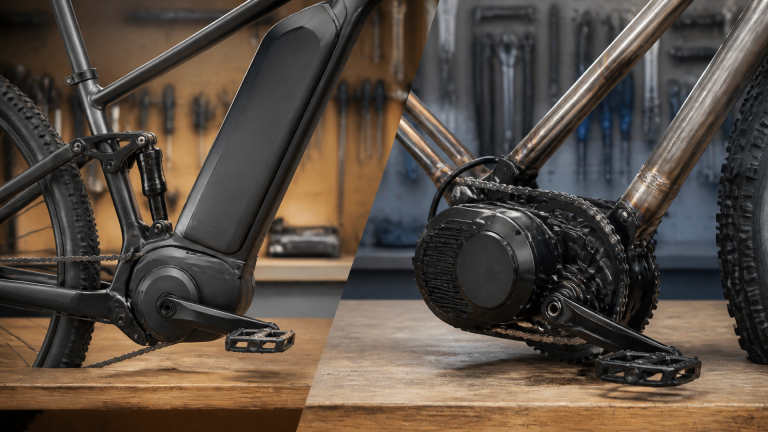
If you’re choosing between these two 1000 W mid‑drives, your decision hinges on whether you value aftermarket flexibility and low cost (BBSHD) or factory‑integrated cleanliness and CAN‑bus features (M625). Below is a side‑by‑side breakdown with real‑world data, installation gotchas, and a concrete verification step to confirm your choice before you buy. Quick answer Choose the BBSHD…

Most e-bike chargers deliver between 72 and 240 watts. The exact number depends on your battery’s voltage and the charger’s amperage rating. For a typical 48V battery with a 3A charger, that’s 144 watts (48 × 3). A smaller 36V system with a 2A charger runs at 72 watts. Knowing your charger’s wattage helps you…

Safety first: Before you touch any wires or connectors, turn off the battery and remove it from the bike. If the display or wiring shows signs of melted plastic, burns, or a burnt smell, stop immediately and take the bike to a qualified e-bike technician. High-voltage DC systems can arc or short even after the…