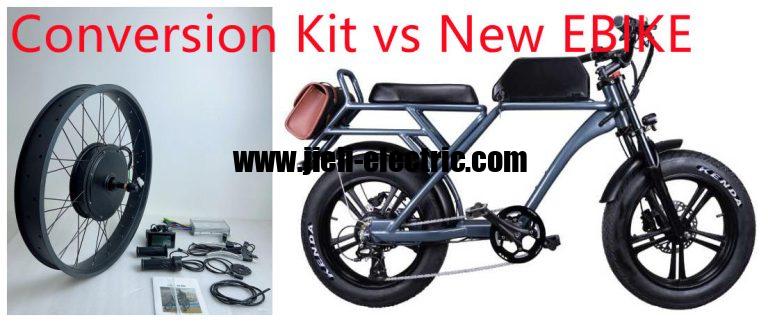
Step-by-Step Guide to Install Pedal Assist Sensor on Electric Bike
The integration of a pedal assist sensor into an electric bike significantly enhances the riding experience by providing seamless power assistance. This step-by-step guide is designed to help enthusiasts and novice riders alike install a pedal assist sensor electric bike with confidence and precision. By selecting the appropriate sensor and gathering the necessary tools, users can ensure a successful installation process. Furthermore, attention will be given to the preparation of the bike, proper wiring connections, and testing the sensor’s functionality to optimize performance. This comprehensive approach not only promotes safety but also maximizes the efficiency of the electric bike system.
Key Takeaways
Selecting the right pedal assist sensor type (torque or cadence) is crucial for compatibility and performance.
Essential tools and protective gear should be gathered before starting the installation process.
Proper preparation of the electric bike, including cleaning and checking components, is necessary for a smooth installation.
Testing and adjusting the sensor settings post-installation is vital for optimal performance and rider satisfaction.
Choosing the Right Pedal Assist Sensor
Selecting an appropriate pedal assist sensor is crucial for optimizing the performance and responsiveness of an electric bike. Various types of sensors, including torque and cadence sensors, offer distinct advantages that can influence the riding experience. Compatibility with the bike’s existing electrical system and mechanical components is essential to ensure seamless integration. Additionally, factors such as sensitivity, durability, and response time should be considered when making a selection. With the right sensor in mind, the next step involves gathering necessary tools and materials for installation.
Gathering Necessary Tools and Materials
A comprehensive list of necessary tools and materials is essential for the successful installation of a pedal assist sensor on an electric bike. Key tools include a torque wrench, screwdrivers, and hex keys to ensure proper fastening of components. Additionally, wire strippers and connectors are needed for any electrical connections that may be required. Protective gear, such as gloves and safety glasses, should also be on hand to ensure safety during the installation process. Lastly, having a user manual or installation guide for the specific sensor model will greatly facilitate a smooth installation experience.
Preparing Your Electric Bike for Installation
Proper preparation of the electric bike is essential to ensure a smooth installation process for the pedal assist sensor. Begin by ensuring the bike is clean and free of any debris that could interfere with installation. Next, check that all components, including the battery and wiring, are in good condition and functioning properly. Securely position the bike on a stable work surface to facilitate easier access to the necessary areas for installation. Finally, review the bike’s manual for specific instructions or recommendations related to the pedal assist sensor installation.
Installing the Pedal Assist Sensor
Installation of the pedal assist sensor requires careful alignment and secure mounting to ensure optimal performance and reliability. Proper positioning is critical to facilitate the accurate detection of pedal movement and cadence. It is essential to utilize the provided mounting brackets and hardware for a stable installation. After securing the sensor, it is advisable to check for any potential interference with other components of the bike. Following this, attention must be directed towards connecting the wiring harness to complete the installation process.
Connecting the Wiring Harness
Connecting the wiring harness requires careful alignment of the connectors to ensure optimal functionality of the pedal assist sensor. Each connector should be securely fastened to prevent any disconnection during operation. It is essential to avoid twisting or bending the wires excessively, as this may lead to damage over time. After connecting, double-check all connections for tightness and proper orientation. Finally, ensure that the wiring is neatly arranged to prevent interference with other components of the electric bike.
Testing the Sensor Functionality
Testing the sensor functionality is crucial to ensure accurate performance and responsiveness of the pedal assist system. This process involves verifying that the sensor detects pedaling motion effectively and sends the correct signals to the display unit. It is essential to check for any delays or inaccuracies in response to pedaling input, as these can significantly impact the riding experience. Additionally, performing a range of tests under different conditions can help identify any potential issues that may arise during regular use. Once functionality is confirmed, the next step involves adjusting settings for optimal performance.
Adjusting Settings for Optimal Performance
Adjusting settings for optimal performance is essential to ensure that the pedal assist sensor functions effectively and meets the rider’s preferences. This process typically involves calibrating the sensor sensitivity to match the rider’s pedaling style and intensity. Riders should also consider adjusting the assist levels, enabling a tailored experience that can enhance comfort and efficiency during rides. Additionally, fine-tuning settings such as the speed threshold and torque response can significantly impact the overall riding experience. Regularly reviewing and modifying these settings can lead to improved performance and rider satisfaction.
Frequently Asked Questions
What are the benefits of upgrading to a pedal assist sensor on my electric bike?
Upgrading to a pedal assist sensor on an electric bike can significantly enhance the riding experience by providing a more intuitive and responsive power delivery system. This technology allows the bike to automatically adjust the level of assistance based on the rider’s pedaling effort, resulting in a smoother and more efficient ride. Additionally, it can improve battery life by optimizing power usage, as assistance is provided only when needed. Ultimately, this upgrade can lead to increased comfort and enjoyment, making cycling more accessible and enjoyable for a wider range of users.
How do i know if my electric bike is compatible with a pedal assist sensor?
To determine the compatibility of your electric bike with a pedal assist sensor, you should first consult the manufacturer’s specifications and user manual for your bike model. Additionally, check the existing wiring and mounting points to see if they align with the requirements of the pedal assist sensor you intend to install. It is also advisable to review online forums or community discussions related to your specific bike brand and model, as these can provide insights from other users’ experiences. Finally, reaching out to a professional technician or the sensor manufacturer can offer further assistance in confirming compatibility.
What are the common issues i might face during installation, and how can i troubleshoot them?
During the installation of a pedal assist sensor, common issues may include incorrect alignment of the sensor, insufficient clearance between the sensor and the crank arm, and wiring compatibility problems. To troubleshoot these challenges, ensure that the sensor is properly positioned according to manufacturer specifications and verify that there is adequate space for movement without obstruction. Additionally, double-check that all electrical connections are secure and compatible with your bike’s existing system. If problems persist, consulting the user manual or seeking assistance from a professional may provide further guidance.
If you’re looking to enhance your knowledge about electric bikes, I highly recommend visiting this informative page on the benefits of clutch in e-bikes. Understanding the role of a clutch can significantly improve your riding experience and maintenance skills. Don’t miss out on the valuable insights it offers!